

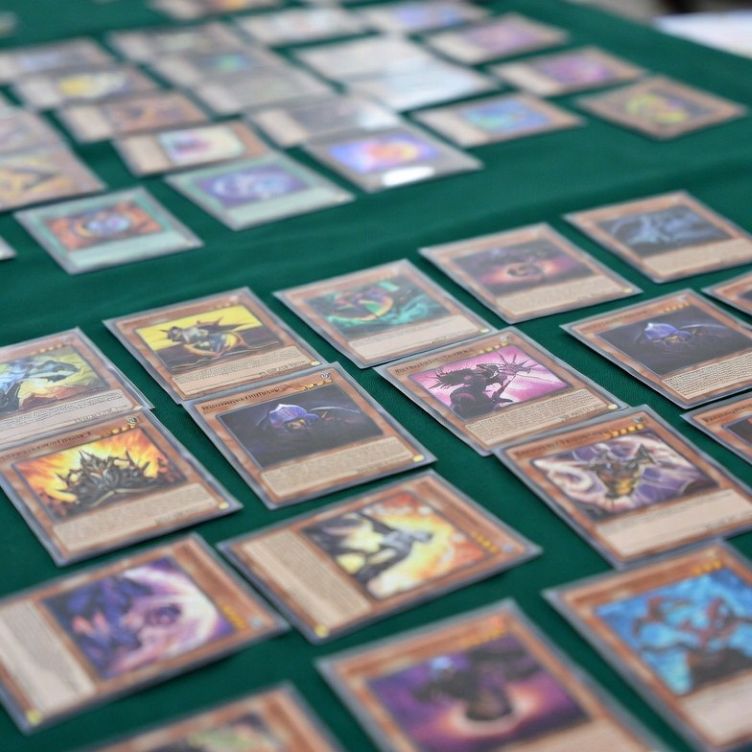
Global trading card sales reached an estimated $13 billion in 2023, according to data compiled by Statista. That number sounds like pure hobby culture, collectors opening packs, kids swapping cards at school. Yet behind the shiny foil cards and plastic sleeves sits something more complex. A simple card game can quietly reveal how trade rules, taxes, and intellectual property policies shape everyday consumer markets.
Spend an afternoon inside a hobby shop in Dubai and you will see the pattern. Shelves filled with imported booster boxes, careful authentication practices, and players debating prices between rounds. The trading card community across the United Arab Emirates has grown quickly during the past decade. What looks like casual entertainment actually reflects the same economic structures that guide electronics, books, and luxury goods.
Import Laws and the Price of a Booster Pack
Most trading cards sold in the UAE originate overseas. Major publishers such as Pokémon and Magic: The Gathering print cards primarily in North America and Japan. That means every box entering the Gulf region must pass through customs regulations, shipping costs, and import procedures.
Those steps matter more than many collectors realize. Import duties, shipping logistics, and distributor agreements all influence the price a customer sees at the counter. A booster box that retails for $120 in the United States can cost noticeably more in the UAE once transportation and compliance costs are included.
Local shop owners often describe the process with a mix of pride and mild frustration. One Dubai retailer joked during a weekend tournament that managing shipments sometimes feels like running a tiny logistics company rather than a hobby store. Paperwork, tracking numbers, customs checks. Collecting cardboard suddenly becomes a lesson in international trade.
Still, these regulations provide structure. Import systems prevent counterfeit goods and create accountability between suppliers and retailers. Without those frameworks, hobby markets could quickly become chaotic.
Why Authenticity Laws Matter for Collectors
Counterfeit collectibles have existed almost as long as collectibles themselves. Rare trading cards can sell for hundreds or thousands of dollars, which makes them attractive targets for fraud.
Similar concerns appear in online gaming economies where virtual goods are traded on third-party marketplaces, raising digital trade regulation debates about consumer protection and platform accountability. Whether the asset is a physical card or a digital item, collectors and players rely on trustworthy systems to prevent scams and maintain confidence in the market.
The UAE has built strong intellectual property protections over the past two decades. According to the UAE Ministry of Economy, the country has expanded enforcement efforts against counterfeit goods across retail sectors. That includes collectibles, toys, and gaming products.
For collectors, this matters more than it might appear. Authenticity is the foundation of value. A rare holographic card loses its meaning if buyers cannot trust the supply chain. Hobby stores often respond with strict verification practices. Sealed products come from licensed distributors. High value singles may be graded by professional services.
Ask longtime players and you will hear the same phrase repeated again and again. Trust keeps the hobby alive.
VAT and the Economics of Hobby Retail
Another layer shaping the market arrived in 2018 when the UAE introduced a 5 percent value added tax, widely known as VAT. The policy formed part of a broader economic diversification strategy across the Gulf region.
For everyday shoppers the change felt small, yet for hobby retailers it required real adjustments. Pricing systems needed updates. Receipts changed. Inventory software suddenly tracked tax calculations.
Retailers adapted quickly. Most shops absorbed the shift without major disruption, though collectors occasionally noticed the final price tick upward. Small percentages accumulate when dealing with imported goods and specialty items.
What stands out is how smoothly hobby markets integrated the policy. Collectors still gather for weekly tournaments. New players still buy starter decks. Economic policy quietly works in the background while the games continue at the tables.
Community Spaces and Cultural Exchange
Walk into a tournament night and you will see something policymakers rarely mention. Trading card stores function as social hubs. Players from different countries sit side by side, discussing strategy, language, and sometimes snacks from home.
Dubai especially reflects this mix. The city hosts residents from more than 200 nationalities, according to the UAE Government Media Office. Hobby spaces mirror that diversity. One table might include players from the Philippines, Lebanon, the United Kingdom, and India.
That cultural overlap creates a surprising form of soft diplomacy. Friendly competition replaces political headlines. Conversations shift between game mechanics and travel stories. The modern trading card community becomes a quiet meeting point where people connect through shared interests rather than differences.
And yes, debates over rare card prices can become very passionate. Anyone who has watched two collectors argue over a mint condition Charizard knows diplomacy sometimes requires patience.
Small Cards, Big Policy Lessons
Trading cards may look like simple entertainment, yet they sit inside a web of international supply chains, tax systems, and legal protections. Import regulations shape availability. Intellectual property enforcement protects authenticity. VAT policies influence retail pricing.
All those factors appear inside local hobby stores across the UAE. Players may focus on strategy decks and tournament wins, though the structure supporting those games reflects broader economic policy choices.
Viewed closely, the trading card community becomes a small mirror of global trade. Governments design frameworks. Businesses adapt. Collectors open packs and build friendships within that system.
Sometimes the best way to understand policy is not through a textbook. Sometimes it sits on a tabletop, tucked inside a sleeve, waiting for the next round to begin.