



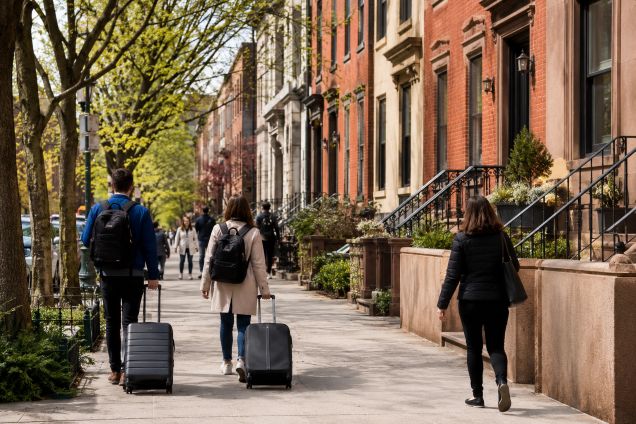
Short-term rentals have become a significant part of the visitor economy, placing homes and apartments into a market that once depended largely on hotels and traditional lodging. As these rentals expanded, local governments began introducing registration systems, zoning restrictions, occupancy limits, taxes, and safety requirements. New York City, for example, requires eligible short-term rental hosts to register and requires booking platforms to verify registrations before processing qualifying transactions, as detailed by the New York City Mayor’s Office of Special Enforcement.
These rules affect properties advertised through Airbnb and other booking platforms, but the larger issue extends beyond any single website. Cities increasingly have to decide when a residential property is functioning as a home, when it begins operating more like visitor accommodation, and what responsibilities should accompany that change. New York City’s rules illustrate how registration can become part of a wider system connecting property use, building regulations, platform verification, and enforcement.
Why Cities Are Regulating Short-Term Rentals
Local governments have several reasons for paying closer attention to short stays. Housing availability is one concern. Neighborhood conditions, building safety, taxation, and compliance with existing land-use rules are others. A property occupied by a succession of visitors may create different management issues from one occupied by a long-term household.
New York provides a particularly restrictive example. The New York City Mayor’s Office of Special Enforcement states that an entire apartment or home in a permanent residential building generally cannot be rented to visitors for fewer than 30 days. Permitted home-sharing arrangements require the permanent resident to remain in the unit, with no more than two paying guests. Certain rent-regulated and public housing units are also ineligible for registration.
Taxation adds another layer. Short-term accommodation can create obligations that differ from ordinary residential leasing. The New York City Department of Finance, for example, administers a Hotel Room Occupancy Tax framework that applies to qualifying accommodation operators. This illustrates why hosts need to consider tax rules separately from registration or zoning requirements.
Hosts, Neighbors, Hotels, and Cities Want Different Things
Regulation becomes complicated because the groups involved do not necessarily have the same priorities. Hosts may value the flexibility to earn income from available residential space. Visitors may appreciate accommodation outside traditional hotel districts and the opportunity to stay in residential neighborhoods.
Neighbors may see the issue differently. Frequent arrivals, unfamiliar occupants, waste management, noise, parking, and shared-building security can become concerns when residential properties experience regular guest turnover. Building owners may also have contractual reasons to restrict short stays. New York City’s Mayor’s Office of Special Enforcement allows eligible building owners to place buildings on a prohibited list when leases or occupancy agreements throughout the building prohibit short-term rentals.
Hotels have another perspective. Traditional lodging businesses operate within established systems covering permitted use, taxation, safety, and other regulatory requirements. City officials therefore face the difficult task of developing rules that recognize newer accommodation models without creating completely separate standards for activities that can resemble commercial lodging.
What Changes When Hosting Becomes a Regulated Activity?
Registration is one of the clearest changes. Rather than simply creating an online listing, a host may need to establish eligibility, provide proof of occupancy, identify listings, and maintain compliance with local requirements. New York’s system requires applicants to demonstrate that they occupy the unit and meet other eligibility conditions. Booking services are then expected to verify qualifying registrations before processing transactions.
Occupancy rules can influence operations as well. Limits on guest numbers, requirements concerning host presence, and restrictions on which areas may legally be used for sleeping can determine how a property is marketed and prepared. The New York City Mayor’s Office of Special Enforcement specifically warns against using spaces such as cellars, garages, or other areas that are not legally approved for sleeping.
Guest Turnover Creates Everyday Responsibilities
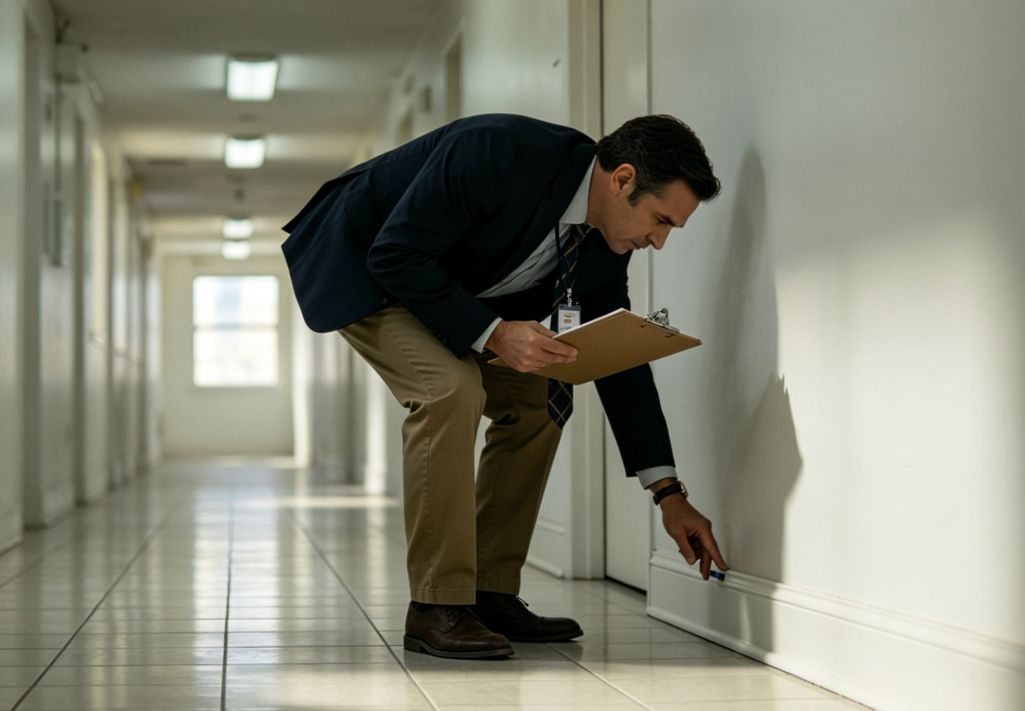
Regulation may attract the most public attention, but daily property management remains equally important. Every departure and arrival creates another cycle of inspecting the property, removing waste, checking supplies, laundering linens where applicable, cleaning frequently used areas, and identifying damage or maintenance problems.
Safety deserves particular attention because accommodation rules often overlap with existing building requirements. New York’s Mayor’s Office of Special Enforcement notes that property owners remain responsible for maintaining safe, code-compliant properties. Short-term rental rules also include requirements related to emergency exits and safe residential occupancy.
Regular turnover can therefore become an informal inspection opportunity. A leaking fixture, damaged lock, blocked exit, sanitation problem, or signs of pests may be noticed while a property is being prepared for the next occupant. These concerns can also overlap with wider municipal approaches to pest prevention and housing standards, particularly in densely populated neighborhoods where property conditions can affect neighboring units. Addressing problems promptly helps keep routine maintenance from becoming a larger operational or community issue.
Enforcement Is Moving Beyond Complaints
Digital registration also changes how cities enforce their rules. Rather than relying entirely on neighborhood complaints or physical inspections, authorities can work with booking platforms and registration databases. New York’s Mayor’s Office of Special Enforcement uses a verification system designed to prevent booking services from processing transactions involving listings that are neither registered nor legally exempt. The city’s rules also provide processes for registration revocation and penalties when registered hosts fail to comply with applicable requirements.
This approach shows how short-term rental regulation is becoming part of broader residential management. Data, platform cooperation, building rules, taxes, and traditional inspections can operate together rather than as separate systems.
Finding a Balance Between Visitors and Residents
There is no single regulatory model that will suit every city. A major tourism center with limited housing may approach short-term accommodation differently from a smaller community with seasonal vacancies. Local housing supply, neighborhood density, tourism demand, building types, and enforcement capacity can all influence policy choices.
The broader challenge is maintaining a workable distinction between tourism activity and residential life. Short-term stays can support visitor spending and provide income opportunities, while poorly managed concentrations can raise questions about housing use and neighborhood stability. Registration, occupancy rules, taxes, safety standards, and responsible property management give cities different tools for addressing those competing interests. The long-term question is how those tools can evolve without losing sight of both sides of the equation: communities need places for visitors to stay, but residential neighborhoods must remain practical places for residents to live.

 Last Saturday night, ex-US president Donald Trump made the mistake of attending the Libertarian National Convention, as he was booed and heckled by a raucous audience that outnumbered the pro-Trump Libertarians. The former US president was visibly rattled by the hostile reception since it was a far cry from the rallies attended purely by loyal Trump supporters.
 Trump failed to win over the libertarians present during the convention hall, since jeers and boos continued while he was making his speech. They denounced Trump for his failure in handling the crisis posed by the COVID 19 pandemic. They believe he could have done more in implementing preventive health measures and curtailing the widespread distrust of the public in getting vaccinated.
 Senate
  Dr. Brian Monahan, the Congressional physician who evaluated Senator McConnell’s health condition, said he has consulted with the senator’s neurology team before giving the senator clearance to continue and carry on senate schedule. Dr. Monahan gave a brief statement on explaining that the senator’s freeze spells are likely connected to the injuries he suffered last March.
 You might be scratching your head at the title. Politics and appliance repair websites like vancouverapplianceservice.ca—what’s the connection? It sounds like an odd mix, but bear with me. These seemingly unrelated domains actually share some interesting intersections. Let’s explore how a seemingly mundane subject like appliance repair can, in its own way, provide valuable insights into the political landscape, particularly in terms of community building and engagement.

 Heavy Duty Towing – A Leading Towing And Recovery Service Provider
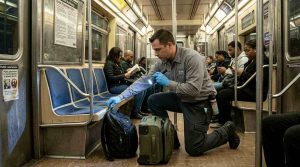
 On Being A Tow Truck Driver
 Appropriate Licensing





 The focus of environmental regulations and policies are mainly on the reduction of aviation emissions. With this, wing loading is necessary for the consideration of design parameter’s impact. Emissions standards include the establishment of stricter rules that trigger manufacturers gearing to higher wing loading. This applies true for a long-haul aircraft.


 In sports, soccer holds a unique position as a global phenomenon that unites fans from all corners of the Earth. However, overseas soccer broadcasting site (source: 해외축구중계사이트) often intersects with political issues, impacting how fans from different countries access and enjoy their favorite matches.


 Politicians have begun embracing
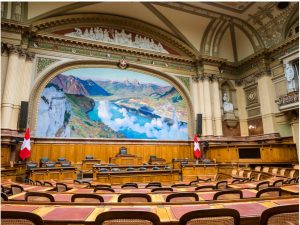 Business outsourcing has become an increasingly important factor in politics and policy-making. The ability to outsource labor and services like personal assistant to other countries has allowed businesses to reduce costs, increase efficiency, and maintain a competitive edge in the global market. This has had a profound effect on politics and policy-making as governments must now consider the implications of their decisions on businesses that are outsourcing jobs, goods, and services. By understanding how business outsourcing affects politics and policy-making, decision makers can make better-informed decisions that benefit all stakeholders involved.

 We live in a world where social media influencers are the new celebrities. They have the power to drive conversations on topics that they care about, and this has been especially true for political issues.

 It’s no secret that fashion influences the message politicians seek to communicate. Of course, it is not a priority for any politician, but it does contribute to their image and narrative. According to a political crisis consultant, we would be amazed if we realized how much time his clients spend analyzing tie colors, time that could be spent discussing, say, a peace process. Yes, clothes can help a
  Numerology, in various cultures around the world, has been practiced for thousands of years. Politicians have used the science of numerology and astrology.