

Why D2 Items Marketplaces Like YesGamers Raise Questions About Digital Trade Regulation
Virtual goods have real economic impact: gamers around the world spend billions each year on items that exist only in digital form. These virtual economies now include marketplaces where players can buy and sell digital assets, and that growth has put pressure on governments and regulators to rethink how online trade should work.
Platforms such as D2 items marketplaces connect buyers and sellers outside official game systems. These sites can be thriving hubs where rare cosmetic skins and in-game assets change hands for real money. For more context on how virtual trading works across platforms, check out gaming in the online world. But while communities share reviews and experiences, debates over how these markets should be governed are heating up.
For many players, the appeal of these marketplaces is clear: access to rare gear without hours of grinding. Yet this convenience comes with risk. Scams, counterfeit listings, and account hijacking are reported regularly by users navigating third-party trading systems. Fraud and loss are real concerns, especially when transactions happen without clear legal backing or secure protections. Buyers often have little recourse when things go wrong.
Consumer Protection Gaps
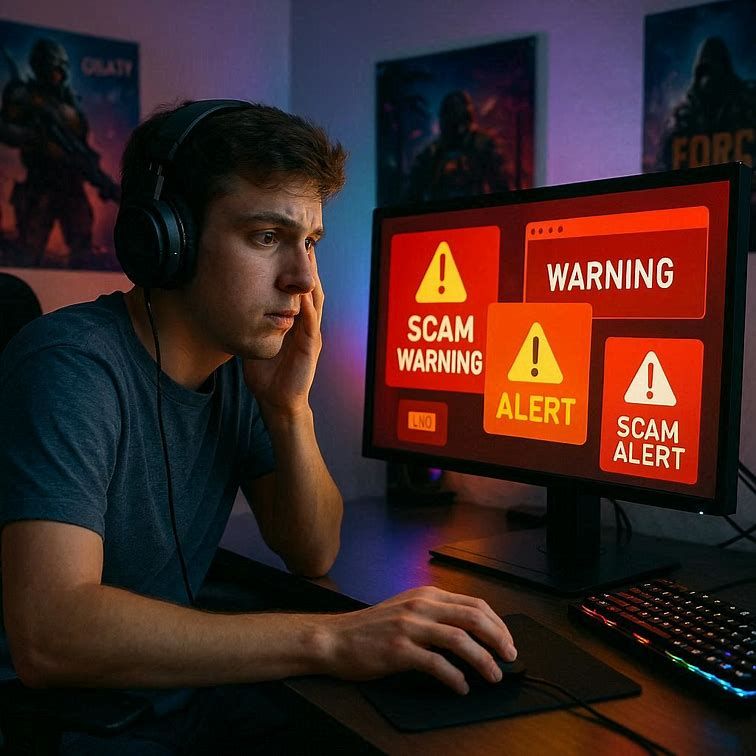
Players who lose money to fraud may find themselves without options for refunds or legal remedy.
Traditional consumer protection laws were designed for physical goods or established digital commerce channels. They assume sellers and buyers are identifiable and accountable under domestic law. But the global, anonymous nature of gaming marketplaces complicates this model. Without clear regulations, players who lose money to fraud may find themselves without options for refunds or legal remedy. Even where laws exist, enforcing them across borders is tough.
In some regions, broader e‑commerce rules are evolving to cover online marketplaces. Updates to digital trade laws require platforms and sellers to be transparent about their identity and to protect personal data. They also give regulators the power to remove harmful or unlawful listings quickly. But these frameworks were not crafted with virtual item trading in mind, and they don’t yet address many specific risks linked to trading digital assets.
Ownership and Legal Ambiguity
A fundamental question in regulatory debates is ownership. When a gamer buys a skin or cosmetic item, do they truly own it, or only a license to use it within a game? Most game publishers state that virtual assets remain their property, and user agreements often prohibit third-party sales. This ambiguity leaves traders relying on unclear license terms rather than solid legal rights. If ownership isn’t recognized, disputes over trades can become legal grey zones.
Regulators are also paying attention to the potential for illicit activity. The anonymity of virtual markets can make them attractive for money laundering or other financial crimes. Some policy proposals suggest applying rules like know‑your‑customer checks or anti‑money‑laundering protocols used in financial services. But applying these tools to gaming marketplaces is challenging; many platforms lack the infrastructure or incentive to implement them fully.
Community Voices and Marketplace Trust
Gamers themselves are mixed in their views. Some community reviews praise the flexibility and range of virtual item markets. Others warn about scams or poor support when disputes arise. A big trust gap remains, with buyers cautious about which platforms they’ll use. Part of the problem is that many marketplaces prioritize listings volume over rigorous seller verification or transparent protections. That uncertainty keeps some players on the sidelines, even if prices appear attractive.
The Regulatory Balancing Act
Governments face a difficult balance. Heavy regulation could protect consumers but stifle innovation or push marketplaces underground. Loose oversight risks harm to buyers and undermines confidence in digital trade. Some regions are already pushing digital services laws that hold online marketplaces to higher transparency and safety standards, though these measures are broader than gaming alone.
Policymakers may look to adapt consumer protections, privacy rules, and e‑commerce regulations to cover virtual item trade more explicitly. That could include clearer rules for dispute resolution, fraud prevention requirements, or even formal recognition of virtual asset ownership. For now, the legal environment remains patchy and uncertain.
What Gamers Should Know
If you’re thinking about using a third‑party marketplace for digital trade, do some research first. Check community reviews, understand the platform’s policies, and use secure payment methods. Be aware that enforcement of user agreements and legal protections might be limited. Know the risks before you click buy or sell.
As the debate over regulating platforms that deal in virtual assets continues, one thing is clear: lawmakers and industry players are still figuring out the rules for digital trade. Gamers who engage in these markets should stay informed about their rights and risks.
Conclusion
Ultimately, clearer regulation could make trading virtual gear safer. Understanding the dynamics of these markets and the protections available today can help players make smarter decisions. D2 items remain at the center of that conversation.
Marketplace platforms, buyers, and policymakers will continue to shape how these digital economies evolve in the years ahead. Staying educated and careful helps protect both wallets and trust in the system as it grows. Digital trade regulation is part of that journey, and its outcome will affect players far beyond any single title or marketplace.